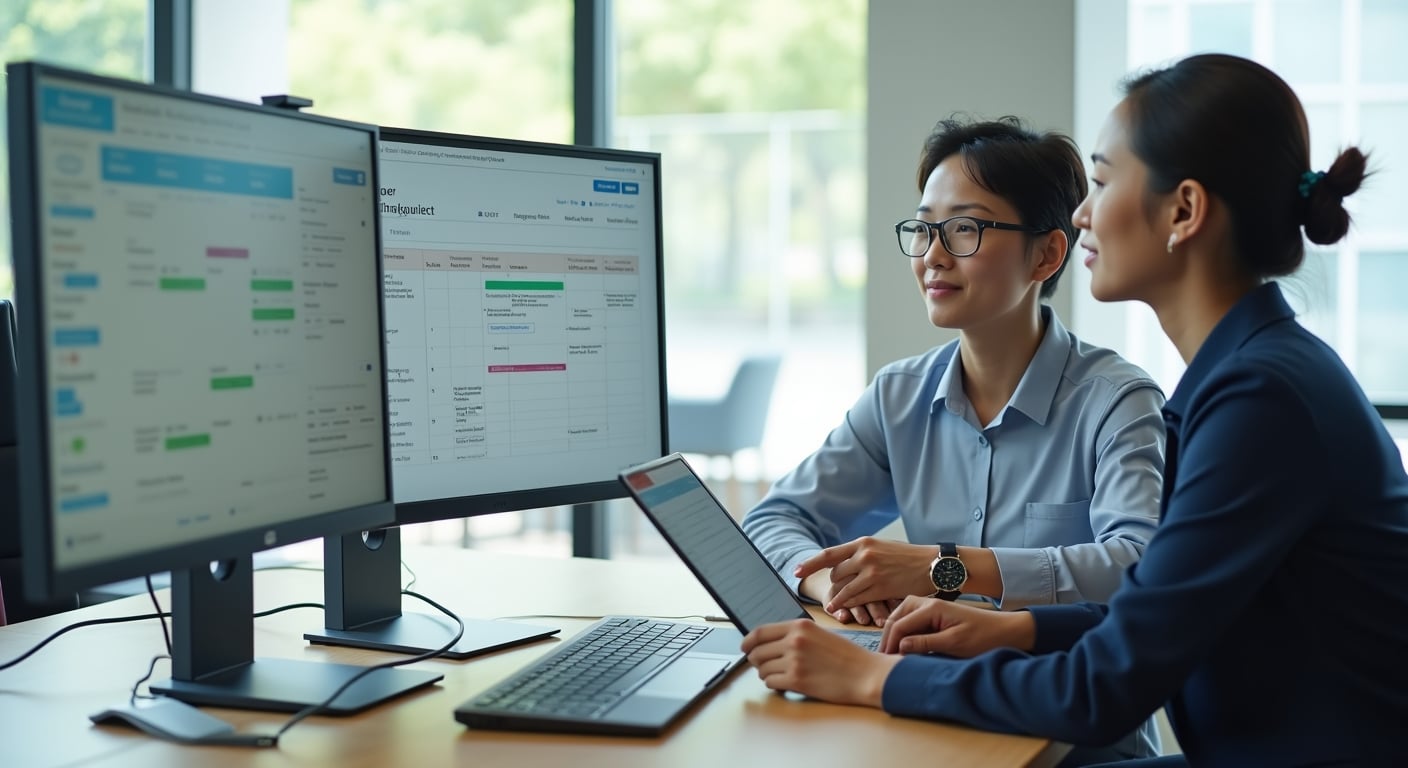
A leave management system malaysia businesses can trust is no longer a nice-to-have. For many SMEs, it has become a practical tool for reducing payroll errors, improving staff visibility, and keeping leave records organised. Whether you run a retail outlet in Johor Bahru, a small accounting firm in Kuala Lumpur, or a growing services company in Penang, manual leave tracking can quickly become messy as your team expands.
In Malaysia, leave administration is not just about approving annual leave. Employers also need to manage medical leave, public holiday differences, replacement leave, maternity-related entitlements, and internal leave policies fairly and consistently. A proper system helps business owners and HR teams save time, reduce disputes, and maintain clearer records for compliance and payroll coordination.
This guide explains what a leave management system is, why it matters for Malaysian SMEs, what features to look for, and how to choose one that fits your business size and budget.
What Is a Leave Management System?
A leave management system is software or a digital platform used to handle employee leave applications, approvals, balances, records, and reporting. Instead of relying on spreadsheets, WhatsApp messages, emails, or paper forms, the system centralises leave administration in one place.
At a basic level, it usually allows employees to:
- Apply for leave online
- Check their leave balance
- Upload supporting documents such as medical certificates
- View approval status
For employers, managers, and HR personnel, it usually helps with:
- Approving or rejecting leave requests
- Setting leave entitlements by employee type
- Tracking annual, sick, unpaid, and special leave
- Creating approval workflows
- Generating reports for payroll and management review
- Maintaining records for audit and HR administration
In short, it turns leave administration from a manual process into a structured workflow.
Why Malaysian SMEs Need a Leave Management System
Many small businesses start by tracking leave in Excel. That may work when there are five employees. However, once the team grows, manual tracking often creates confusion. Staff may not know their balance, managers may approve overlapping leave, and payroll may receive incomplete information at month-end.
A leave management system malaysia employers use can solve these common operational issues.
1. Better accuracy in leave balances
Manual calculations can lead to mistakes, especially when employees join mid-year, carry forward leave, or take half-day leave. A system automatically updates balances based on the rules you set.
2. Faster approval process
Instead of waiting for signed forms or chasing managers by message, employees can submit requests through an app or portal. Managers can approve quickly, even when working remotely.
3. Clearer visibility for scheduling
For businesses in retail, F&B, logistics, clinics, or customer service, staffing levels matter every day. A leave calendar helps managers avoid approving too many employees off at the same time.
4. Better record-keeping
When disputes happen, proper records matter. A digital system keeps an audit trail of who applied, who approved, when changes were made, and what documents were submitted.
5. Easier payroll coordination
Leave data often affects payroll, especially for unpaid leave, replacement leave, and attendance-linked calculations. Integration or export features reduce month-end admin work.
6. More professional employee experience
Employees expect simple HR processes. A transparent leave process improves trust because staff can see policies, balances, and approval status without repeatedly asking HR.
How Leave Management Works in the Malaysian Context
Before choosing software, SMEs should understand that a leave management system is only as good as the policies behind it. In Malaysia, employers need to align leave settings with legal requirements, employment contracts, company handbooks, and internal HR practices.
Common leave types managed by Malaysian businesses include:
- Annual leave
- Medical leave
- Hospitalisation leave
- Unpaid leave
- Maternity leave
- Paternity leave
- Emergency leave
- Compassionate leave
- Replacement leave
- Public holiday replacement or off-in-lieu arrangements
For example, a Selangor-based SME with office staff may only need standard annual and sick leave workflows. In contrast, a manufacturing company with shift workers in Shah Alam may need more complex rules for off days, replacement leave, and supervisor-based approvals.
This is why flexibility matters. The system should support your actual leave policy, not force your business into a rigid template.
Key Features to Look for in a Leave Management System Malaysia SMEs Can Use
Not every business needs an enterprise HR platform. For most SMEs, the best solution is one that is easy to use, affordable, and suitable for Malaysian employment practices.
Employee self-service portal
This allows staff to apply for leave, view balances, and check leave history without depending on HR for every request.
Customisable leave types
Your business should be able to create different leave categories based on company policy. This is especially useful if you offer benefits beyond statutory minimums.
Approval workflow
Look for systems that allow one-level or multi-level approval. For example, a line manager may approve first, followed by HR for final confirmation.
Leave calendar view
A shared calendar helps managers see who is on leave and avoid scheduling conflicts.
Prorated leave calculation
This is important for new hires, resigning employees, and staff who join partway through the year.
Half-day and hourly leave options
Some SMEs need flexibility for partial-day absences, medical appointments, or shift-based leave.
Document upload
Employees should be able to attach medical certificates or supporting documents directly in the system.
Mobile access
For field teams, retail staff, and employees who are not desk-based, mobile access is very useful.
Payroll integration or export
If your payroll is processed separately, the system should at least allow easy export of leave data for payroll use.
Reporting and audit trail
Reports help management track absenteeism trends, leave usage, and staffing patterns. Audit logs also provide accountability.
Manual Tracking vs Leave Management System
Many SME owners wonder whether spreadsheets are still enough. The answer depends on your headcount, complexity, and growth plans. The table below shows the practical difference.
| Area | Manual Tracking | Leave Management System |
|---|---|---|
| Leave application | Email, WhatsApp, paper form | Online application through portal or app |
| Balance calculation | Manual formula or HR update | Automatic based on policy settings |
| Approval process | Can be inconsistent or delayed | Structured workflow with notifications |
| Record keeping | Scattered across files and messages | Centralised digital records |
| Visibility of team leave | Limited unless manually updated | Shared calendar and dashboard |
| Payroll coordination | Higher risk of missed updates | Easier export or integration |
| Scalability | Becomes difficult as headcount grows | Suitable for growing teams |
| Error risk | Higher | Lower when properly configured |
For a micro business with only a few employees, manual tracking may still be manageable. However, for most SMEs with 10 or more staff, a digital system usually delivers clear time savings.
How to Choose the Right Leave Management System for Your SME
Choosing software should not start with brand names alone. Start with your business needs, then compare options based on fit.
1. Review your current leave process
Map out how leave is currently handled. Ask:
- How do employees apply for leave now?
- Who approves it?
- How are balances tracked?
- How often do mistakes happen?
- Does payroll receive timely leave information?
This helps you identify what the new system must solve.
2. Define your leave policy clearly
Before implementation, make sure your annual leave, sick leave, unpaid leave, replacement leave, and carry-forward rules are documented. If your policy is unclear, even the best software will create confusion.
3. Consider your workforce type
An office-based consultancy may need simple approvals and reporting. A business with shift workers, multiple branches, or field staff may need mobile access, roster visibility, and more flexible settings.
4. Check Malaysia-specific suitability
Ask whether the system supports local leave practices, public holiday handling, and payroll workflows commonly used in Malaysia. This is especially important if the software is built for multiple countries.
5. Evaluate ease of use
If employees and managers find the system difficult, adoption will be poor. A clean interface and simple mobile experience matter more than having too many advanced features.
6. Compare pricing against real value
Do not focus only on monthly subscription cost. Consider the time saved, reduced payroll errors, fewer disputes, and better reporting. For many SMEs, the productivity gain justifies the cost.
7. Ask about onboarding and support
Implementation support is important, especially if you are moving from manual records. Ask whether the provider helps with setup, leave policy configuration, training, and troubleshooting.
Practical Example: Small Malaysian SME Moving from Excel to Digital Leave Tracking
Imagine a 20-person marketing agency in Petaling Jaya. The company currently tracks leave in a spreadsheet managed by one admin executive. Employees send leave requests through WhatsApp, and balances are updated manually once a week.
The business starts facing several issues:
- Managers approve leave without checking team schedules
- Employees ask repeatedly about remaining annual leave
- Medical certificates are stored in different email threads
- Payroll misses unpaid leave adjustments at month-end
After moving to a leave management system, the company sets up:
- Annual leave entitlements by employee grade
- Sick leave and medical certificate upload
- A manager approval flow
- A shared leave calendar
- Monthly leave reports for payroll review
As a result, the admin executive spends less time updating records, managers have better visibility, and employees get faster responses. This is a typical example of how a simple system can improve daily HR operations without requiring a large HR department.
Common Mistakes SMEs Make When Implementing a Leave Management System
Buying software is only one part of the process. Implementation mistakes can reduce the value of the system.
Using unclear leave policies
If your handbook does not clearly define leave entitlements, carry-forward rules, or approval procedures, staff will still be confused even after the system goes live.
Choosing based on price alone
The cheapest option may lack the flexibility or support your business needs. A low-cost tool that creates manual workarounds may cost more in the long run.
Skipping manager training
Managers need to know how to approve requests, review team schedules, and apply policy consistently. Without training, delays and inconsistent decisions can continue.
Not testing leave settings properly
Prorated leave, carry forward, and half-day rules should be tested before launch. Incorrect settings can lead to employee disputes.
Failing to communicate the new process
Employees should know when the new system starts, how to use it, and what happens to old leave records.
Implementation Checklist for Malaysian SMEs
If you are planning to adopt a leave management system malaysia teams can use effectively, this simple checklist can help.
- Document your current leave policy and approval flow
- List all leave types used in your business
- Confirm entitlements by employee category
- Decide whether you need mobile access
- Check whether payroll integration is necessary
- Prepare employee data and existing leave balances
- Test prorated, carry-forward, and unpaid leave settings
- Train HR, managers, and employees
- Set a clear go-live date
- Review the system after the first one to two payroll cycles
How a Leave Management System Supports Broader HR Improvement
Leave administration is often one of the first HR processes SMEs digitise. Once that process becomes more organised, business owners usually find it easier to improve attendance tracking, payroll coordination, employee records, and policy management as well.
That is why leave software should not be viewed in isolation. It is part of building a more reliable people management process. If you are reviewing your wider people operations, our HR & hiring malaysia resource is a useful next read.
Benefits for Different Types of Malaysian Businesses
Retail and F&B
Helps manage shift coverage, festive season staffing, and branch-level leave visibility.
Professional services firms
Improves approval speed, employee self-service, and cleaner payroll coordination for office-based teams.
Manufacturing and logistics
Supports supervisor approvals, shift planning, and better documentation for operational teams.
Startups and growing SMEs
Creates a scalable HR process early, before manual administration becomes a bigger problem.
FAQ
What is the main benefit of a leave management system for SMEs in Malaysia?
The main benefit is better control over leave records and approvals. It reduces manual errors, saves admin time, and gives both employees and managers clearer visibility over leave balances and schedules.
Is a leave management system necessary for a small company?
Not every very small company needs one immediately. However, once leave requests become frequent, records start getting messy, or payroll errors happen, a digital system becomes very useful. For many SMEs, this point comes earlier than expected.
Can a leave management system help with payroll?
Yes. It can help payroll teams or payroll providers receive more accurate leave data, especially for unpaid leave, replacement leave, and leave-related adjustments. Some systems also integrate directly with payroll software.
What leave types should a Malaysian system support?
At minimum, it should support annual leave, medical leave, hospitalisation leave, unpaid leave, and any company-specific leave categories such as compassionate leave, emergency leave, maternity leave, paternity leave, or replacement leave.
How do I know if my current leave process is no longer working?
Warning signs include frequent balance disputes, slow approvals, overlapping leave approvals, payroll mistakes, and HR spending too much time answering basic leave questions.
Should SMEs choose a standalone leave system or a full HR system?
It depends on your needs. If leave tracking is your immediate issue, a standalone system may be enough. If you also want payroll, attendance, employee records, and claims in one platform, a broader HR system may offer better long-term value.
Conclusion
A good leave management system malaysia SMEs can rely on is not just about convenience. It helps create a more organised, transparent, and scalable HR process. For business owners, that means fewer administrative headaches. For managers, it means better planning. For employees, it means a smoother and fairer leave experience.
If your team is still managing leave through spreadsheets, chat messages, or paper forms, now is a good time to review whether that process is still fit for purpose. Start by clarifying your leave policy, identifying current pain points, and comparing systems based on usability, flexibility, and local relevance. Even a simple implementation can make a noticeable difference to day-to-day operations.
For growing Malaysian SMEs, digital leave management is often one of the easiest HR improvements to make, and one of the most practical.