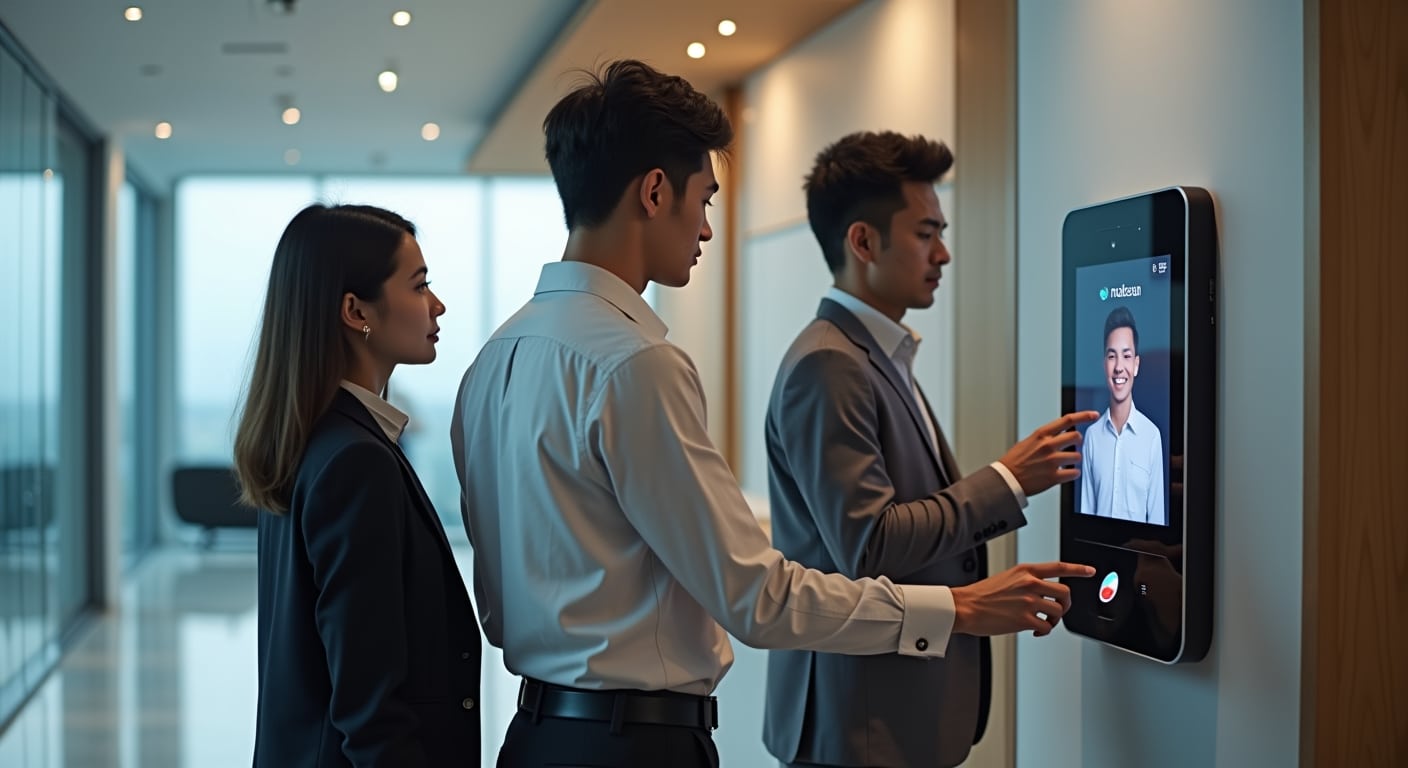
Choosing the right attendance system malaysia solution can make a big difference to how efficiently your business manages staff time, payroll, overtime, and compliance. For Malaysian SMEs, the challenge is not just finding a system that records clock-ins and clock-outs. It is finding one that fits your workforce, budget, operating hours, and HR processes.
Today, businesses can choose from biometric attendance machines, mobile attendance apps, QR code check-ins, cloud-based workforce systems, and integrated HR software. Each option has different strengths, limitations, and cost considerations. As a result, what works well for a retail chain may not suit a small office, factory, clinic, or field service team.
This guide compares the main types of attendance systems used in Malaysia, explains what features matter most, and helps SME owners evaluate which setup is practical for their business stage.
What is an attendance system?
An attendance system is a tool that records employee working time, including arrival time, departure time, breaks, overtime, shifts, and absences. In many businesses, it also connects with leave management, payroll processing, rostering, and reporting.
In simple terms, an attendance system helps employers answer questions such as:
- Who came to work today?
- What time did each employee clock in and out?
- Did anyone arrive late or leave early?
- How many overtime hours were worked?
- Which staff are on leave, on shift, or absent?
For SMEs, this matters because manual attendance tracking often leads to payroll errors, disputes, buddy punching, and unnecessary admin work.
Why Malaysian SMEs are moving to digital attendance systems
Many Malaysian businesses still rely on paper registers, punch cards, WhatsApp check-ins, or Excel sheets. While these methods may work for very small teams, they become harder to manage as headcount grows.
A digital attendance system can help SMEs:
- Reduce manual HR work
- Improve payroll accuracy
- Track lateness and overtime more clearly
- Support multiple branches or remote teams
- Create audit trails for employee records
- Minimise time fraud and attendance disputes
- Generate reports for management review
For example, a restaurant group with three outlets in Kuala Lumpur may need centralised attendance data across all branches. Meanwhile, a construction subcontractor in Johor may need GPS-based mobile attendance for site staff. The right system depends heavily on how and where employees work.
Attendance system Malaysia: main types compared
When evaluating an attendance system Malaysia businesses generally choose from a few core models. The best option depends on workforce mobility, security needs, budget, and whether payroll integration is required.
| System Type | Best For | Main Advantages | Main Limitations |
|---|---|---|---|
| Biometric device | Offices, factories, retail outlets | Strong identity verification, reduces buddy punching, familiar setup | Hardware cost, maintenance needed, less flexible for remote staff |
| Card or PIN system | Basic onsite attendance tracking | Lower upfront cost, simple to use | Cards can be shared or lost, weaker fraud control |
| Mobile app attendance | Remote teams, sales teams, field workers | Flexible, GPS tracking, real-time records | Depends on smartphone access and internet stability |
| QR code attendance | Offices, events, hybrid workplaces | Fast deployment, low hardware cost, easy for SMEs | May need anti-fraud controls, less secure if poorly configured |
| Cloud HR attendance software | SMEs wanting HR and payroll integration | Centralised data, reporting, leave and payroll sync | Subscription cost, setup and process alignment needed |
Biometric attendance systems: pros, cons, and ideal use cases
Biometric systems use fingerprints, facial recognition, or other unique identifiers to verify employee identity. In Malaysia, fingerprint attendance machines have long been common in factories, warehouses, clinics, tuition centres, and retail stores.
Advantages of biometric systems
- Reduces buddy punching because employees cannot easily clock in for each other
- Creates a more reliable attendance record
- Suitable for fixed-location workforces
- Often integrates with door access or HR software
Limitations of biometric systems
- Requires physical hardware installation
- May involve maintenance, repairs, or replacement
- Can be less practical for remote or travelling staff
- Some environments may face scanning issues, such as dusty factories or wet hands in F&B operations
Best fit
Biometric attendance works best for businesses where employees report to one physical location and management wants tighter control over timekeeping.
Example: A manufacturing SME in Penang with shift workers may prefer biometric devices at factory entrances because they provide strong control over shift attendance and overtime records.
Mobile attendance apps: strong option for modern SMEs
Mobile attendance apps have become increasingly popular because they allow employees to clock in using their smartphones. Many systems include GPS location tracking, geofencing, photo verification, and manager approval workflows.
Advantages of mobile attendance apps
- Useful for hybrid, remote, and field-based teams
- No need for physical attendance terminals at every location
- Managers can monitor attendance in real time
- Often bundled with leave, claims, and shift scheduling features
Limitations of mobile attendance apps
- Requires employees to have compatible devices
- Can raise policy questions around location tracking and privacy
- Needs clear rules for offsite clock-ins
- Internet connectivity may affect real-time syncing in some areas
Best fit
This option is ideal for sales teams, service technicians, property agents, logistics coordinators, and SMEs with flexible work arrangements.
Example: A pest control company in Selangor can use a mobile app with GPS and selfie verification so technicians clock in when arriving at customer sites instead of returning to the office.
QR code attendance systems: low-cost and easy to roll out
QR code attendance systems are often attractive to SMEs that want a simple and affordable digital solution. Employees scan a QR code at the premises or through an app to record attendance.
Advantages of QR code attendance
- Low setup cost compared with biometric hardware
- Fast deployment across branches
- Suitable for offices, coworking spaces, clinics, and education centres
- Can support contactless check-in
Limitations of QR code attendance
- Needs anti-abuse controls such as rotating codes, geofencing, or photo capture
- May be less secure than biometric verification
- Not always suitable for high-security environments
Best fit
QR systems are often a practical starting point for small businesses that want to move away from paper attendance without a large upfront investment.
Example: A tuition centre in Ipoh with part-time teachers may use QR code check-ins because it is easy to manage class-based attendance without installing multiple devices.
Cloud-based attendance systems with HR integration
Many SMEs are now looking beyond standalone attendance tools and choosing cloud HR systems that combine attendance, leave, payroll, claims, and employee records in one platform.
This approach can reduce duplicate data entry. Instead of exporting attendance manually into payroll spreadsheets, approved attendance and overtime can flow into salary calculations more smoothly.
Advantages of integrated cloud systems
- Centralised employee and attendance data
- Better reporting across branches and departments
- Easier leave and overtime management
- Useful for growing SMEs that need scalable processes
- Can support approval workflows and audit trails
Limitations of integrated cloud systems
- Monthly subscription can be higher than basic attendance-only tools
- Implementation may require policy updates and staff training
- Some SMEs may pay for features they do not yet use
Best fit
This is usually the strongest long-term option for SMEs planning to improve overall HR operations, not just attendance tracking. If you are also reviewing broader people processes, our HR & hiring malaysia resource can help you connect attendance decisions with recruitment, onboarding, and workforce planning.
Key features to compare before choosing an attendance system Malaysia solution
Not all systems are equal. Even if two vendors offer mobile attendance or biometric tools, the actual usability and business value may differ significantly. Therefore, SMEs should compare features carefully.
1. Attendance capture method
Check whether the system supports fingerprint, face recognition, QR code, mobile app, web clock-in, card, or PIN. The right method should match how your employees work.
2. GPS and geofencing
For remote or site-based teams, GPS and geofencing can help confirm employees are clocking in from approved locations.
3. Shift scheduling
If your business runs multiple shifts, rotating rosters, or weekend operations, shift management is essential. This is especially relevant for retail, F&B, healthcare, and manufacturing SMEs.
4. Overtime calculation
Look for systems that can apply attendance rules clearly, including grace periods, late arrivals, early departures, and overtime approvals.
5. Leave integration
A good system should connect attendance with annual leave, sick leave, unpaid leave, and public holiday settings to reduce manual checking.
6. Payroll integration
This is one of the most valuable features for SMEs. Payroll integration helps reduce errors and saves admin time every month.
7. Multi-branch support
If you operate in multiple locations, centralised branch reporting is important.
8. Reporting and dashboards
Managers should be able to quickly see absenteeism, lateness, overtime trends, and attendance exceptions.
9. User permissions and approvals
Department heads, HR staff, and business owners may need different access levels and approval rights.
10. Support and onboarding
For Malaysian SMEs, local support matters. A system may look good in a demo, but practical implementation often depends on responsive training and troubleshooting.
Quick comparison: which attendance system is best for your business type?
| Business Type | Recommended System | Why It Fits |
|---|---|---|
| Small office with fixed staff | QR code or cloud attendance software | Affordable, simple, easy to manage |
| Retail chain | Biometric or cloud system with shift scheduling | Better control across branches and shifts |
| Factory or warehouse | Biometric attendance | Strong onsite verification and shift tracking |
| Field service business | Mobile app with GPS | Tracks mobile employees in real time |
| Hybrid team | Cloud system with app and web clock-in | Flexible for office and remote work |
| Clinic or tuition centre | QR code or biometric system | Simple attendance control for scheduled staff |
How much does an attendance system cost in Malaysia?
Pricing varies widely depending on the type of system, number of employees, hardware requirements, and whether payroll or HR modules are included.
In general, SMEs should expect these cost structures:
- Biometric hardware: upfront device cost plus setup, maintenance, and possible software fees
- Mobile or cloud software: monthly or annual subscription, often priced per employee or per company tier
- Integrated HR systems: higher recurring cost but more complete functionality
- Custom enterprise setups: implementation fees, training, and integration charges may apply
Instead of focusing only on headline price, compare total cost of ownership. A cheaper system may create more manual work, while a slightly higher-cost platform may save HR time every month and reduce payroll errors.
Questions Malaysian SMEs should ask vendors before buying
Before signing up, ask practical questions that reflect your actual operations.
- Does the system support Malaysian public holidays and common leave structures?
- Can it handle shift work, overnight shifts, and overtime rules?
- Does it integrate with payroll software or accounting workflows?
- What happens if internet access is interrupted?
- Can employees clock in from multiple branches or project sites?
- What anti-fraud controls are included?
- Is training provided for HR and supervisors?
- How responsive is local support?
- Can the system scale if headcount grows?
- What reports can management export easily?
These questions often reveal more than a polished demo.
Common mistakes when comparing attendance systems
Many SMEs buy attendance software based on price alone and only discover limitations later. To avoid that, watch for these common mistakes:
Choosing based only on hardware cost
A low-cost device may still require manual payroll work, weak reporting, or frequent troubleshooting.
Ignoring workforce reality
If your staff work across customer sites, a fixed biometric terminal may not solve your real attendance problem.
Overbuying features
Some small businesses pay for advanced modules they do not need yet. Start with the features that solve your current pain points while allowing room to grow.
Not involving HR and operations managers
Attendance systems affect supervisors, payroll staff, and employees. If only the business owner chooses the system, implementation may be harder.
Skipping trial or pilot testing
A short pilot with one branch or department can reveal practical issues before full rollout.
How to choose the right attendance system Malaysia solution for your SME
If you want a simple selection process, use this framework:
- Define your workforce model. Are employees office-based, branch-based, shift-based, remote, or field-based?
- List your attendance pain points. For example: payroll errors, buddy punching, late submissions, branch visibility, or manual overtime tracking.
- Set your must-have features. Examples include GPS, payroll integration, shift scheduling, or biometric verification.
- Decide your budget range. Consider both upfront and recurring costs.
- Shortlist 3 to 5 vendors. Compare functionality, support, and implementation approach.
- Request a demo using your real scenarios. Ask vendors to show how the system handles your actual shifts, leave rules, and branch setup.
- Run a pilot. Test with a small team before company-wide rollout.
- Review reporting and payroll impact. Make sure the system saves admin time, not just records attendance.
For most SMEs, the best choice is not necessarily the most advanced system. It is the one that your team will actually use consistently and that management can rely on for accurate records.
Featured snippet: What is the best attendance system in Malaysia for SMEs?
The best attendance system in Malaysia for SMEs depends on how employees work. Biometric systems are best for fixed-location teams that need stronger identity verification. Mobile attendance apps are ideal for remote or field staff. QR code systems are affordable for small offices and education centres. Cloud-based HR attendance software is often the best long-term option for growing SMEs that want attendance, leave, and payroll integration in one platform.
FAQ
What is the most affordable attendance system for small businesses in Malaysia?
QR code and basic cloud attendance systems are usually the most affordable starting options. They generally require lower upfront cost than biometric hardware and are easier to roll out quickly.
Is biometric attendance better than mobile attendance?
It depends on your workforce. Biometric attendance is better for onsite teams in fixed locations. Mobile attendance is better for remote, hybrid, and field-based employees. The better system is the one that matches how your staff actually work.
Can an attendance system integrate with payroll?
Yes, many attendance systems can integrate with payroll directly or through exports. This is especially useful for calculating working hours, overtime, lateness, and unpaid leave more accurately.
Do SMEs need a cloud-based attendance system?
Not always, but cloud-based systems are often more practical for SMEs that want easier access, multi-branch visibility, and integration with leave and payroll functions.
How do I prevent buddy punching in an attendance system?
Biometric verification is one of the strongest ways to reduce buddy punching. Mobile systems can also help when combined with GPS, geofencing, and selfie verification.
What should I check before buying an attendance system in Malaysia?
Check whether it supports your work model, shift rules, payroll process, branch structure, reporting needs, and local support requirements. A demo and pilot test are highly recommended.
Conclusion
Comparing an attendance system Malaysia solution is not just about picking a device or app. It is about choosing a practical system that supports your workforce, improves payroll accuracy, reduces admin work, and gives management better visibility.
For fixed-location teams, biometric systems remain a strong choice. For mobile and hybrid teams, app-based attendance offers greater flexibility. For budget-conscious SMEs, QR code solutions can be a smart entry point. And for growing businesses that want stronger process integration, cloud HR systems often deliver the best long-term value.
If you are currently evaluating options, start by mapping your workforce needs, comparing real use cases, and testing shortlisted vendors with practical scenarios. A careful comparison now can save your business time, money, and HR frustration later.
If you need help reviewing HR processes alongside attendance tracking, explore related SMEGuide resources and use them to build a more efficient people management setup step by step.